
Google Updates Guidance for Preventing User-Generated Spam
Google Search Central updated its user-generated spam prevention guide on 26 October 2026. The new guidance focuses on two practical areas: keeping link-shared content that is not intended for public search out of the index, and spotting abuse earlier through Search Console and platform-level monitoring.
This is a documentation update, not an announced ranking system or a new penalty. Google did not publish an experiment, sample, country rollout, or performance dataset. The advice applies broadly to sites and platforms that let people create comments, profiles, shared pages, generated outputs, or web apps.
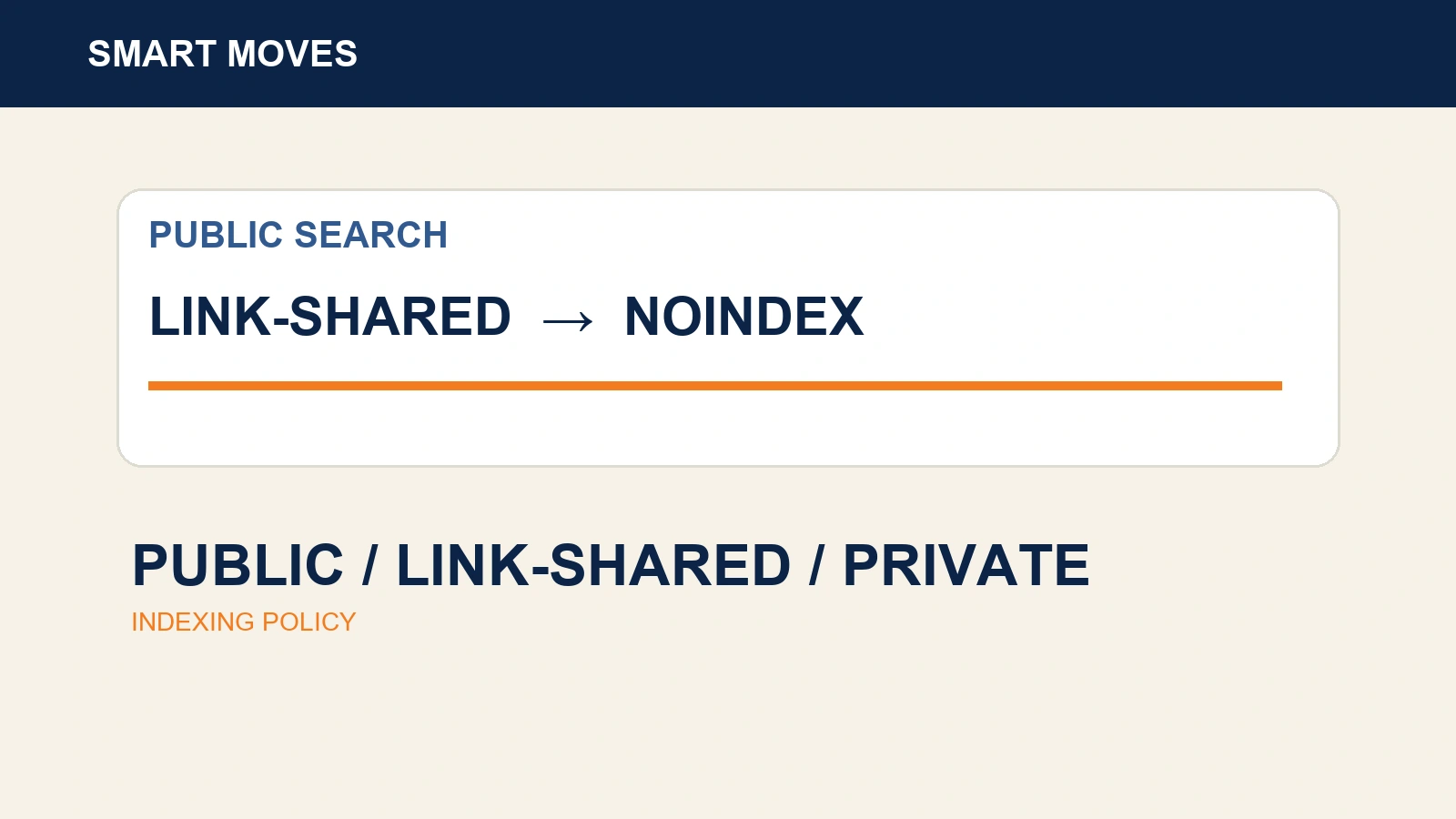
Not every shareable page belongs in Search
A page can be useful without being a search result. Collaboration links, temporary previews, generated reports, personal workspaces, and utility pages may be designed for direct sharing with selected people. If these pages become indexable by default, a platform can unintentionally create a large number of thin or abusive URLs.
Google recommends deciding whether user-created content is meant for search discovery. For pages intended only for direct sharing, use a noindex robots meta tag or an X-Robots-Tag HTTP header. The guide also mentions blocking crawling in robots.txt. Remember that Google must be able to crawl a page to see a noindex directive, so do not combine a robots.txt block with noindex without understanding that limitation.
Build trust before allowing indexing
For open publishing systems, Google suggests adding noindex to posts from new users who have not yet established a reputation. Once a user earns trust, the platform can allow suitable content to be indexed. Links inside untrusted content can use the nofollow or ugc rel attribute.
Manual moderation can remain useful for suspicious activity. Clear abuse policies, reporting tools, rate limits, account verification, and challenges during signup add separate layers of protection. A single signal, such as an IP address or user agent, should not automatically prove abuse; combine signals and review false positives.
Use Search Console as an early warning system
Verify the relevant site or subdomain in Search Console. Review manual actions, security issues, Page Indexing, and Search performance for unexpected changes. A sudden rise in indexed pages, impressions, or unrelated queries can indicate that a user-generated area is being abused.
Google also recommends tracking creation and indexing metrics inside the platform. Alerts can flag sharp increases in newly published pages or a small group of accounts producing a large share of public URLs. Server logs, redirect patterns, suspicious keywords, encoded scripts, and Safe Browsing checks can add context.
A practical implementation checklist
- Classify every user-created page type as public-search, link-shared, or private.
- Apply noindex by default to link-shared and low-trust content.
- Keep sensitive pages behind authentication; do not rely on robots controls.
- Add ugc or nofollow to links in untrusted submissions.
- Set moderation, rate limits, reporting, and account-reputation rules.
- Monitor Search Console and internal publishing metrics for anomalies.
- Test templates to confirm canonical, robots directives, and status codes are consistent.
Start with templates that generate the most URLs. A clear indexing policy at creation time is safer than cleaning up thousands of unwanted pages later. For help reviewing technical controls, see our SEO services.
Sources
- Google Search Central: Latest documentation updates, 26 October 2026.
- Google Search Central: Prevent user-generated spam, updated 26 October 2026.